
Morning Report
7:00AM – 11:00AM
Weather: Fog; winds east @ Beaufort 3; seas unsettled; visibility was limited to around 1 km at the start, slowly increasing to 10 km
Observers: Todd Watts, Richard Blacquiere
Continuous counting recorded in 15 minute blocks (the standard protocol is 15 minutes of observations followed by 15 minutes of rest)
Increasing activity through the morning. Of the dark-winged scoters that could be identified to the species level, Black Scoter accounted for roughly 85%. Surprisingly, several non-waterfowl species arrived from Grand Manan despite heavy fog and a significant headwind. They included a Belted Kingfisher, several Barn Swallows, 5 Yellow-rumped Warblers and possibly a first-year Bald Eagle that we spotted over the water. Moving east with the usual waterfowl were several flocks of Green-winged Teal, Lesser Scaup and a pair of American Wigeon.
Very few birds parked. In my opinion, the continued and perhaps increasingly low numbers of birds stopping on the water is a sign of a bay in increasingly poor health. First, I noted a drop in birds that feed on molluscs. Now I am seeing a general lack of all birds including those that tend to capture live fish. It is sad to see. At some point, the apparent loss of these stopover sites will affect bird populations, which may already be occurring.
Seabird counts:
Eastbound 2799, Westbound 219 (standard count periods);
Eastbound 3096, Westbound 196 (rest/break periods)
Species observed over the bay: Common Eider, Black, Surf, and White-winged Scoters, Red-breasted Merganser, Brant, Harlequin, American Black and Long-tailed Ducks, American Wigeon, Green-winged Teal, Common and Red-throated Loon, Double-crested Cormorant, Black Guillemot, Razorbill, American Herring, Great Black-backed, Lesser Black-backed, Iceland and Ring-billed Gulls, Purple Sandpiper, Barn Swallow, Yellow-rumped Warbler, Belted Kingfisher, Bald Eagle
Parked birds: 13 Common Eider, 150 Black Scoter, 2 Harlequin Duck, 2 Common Loon, 1 Black Guillemot, 5 Razorbill
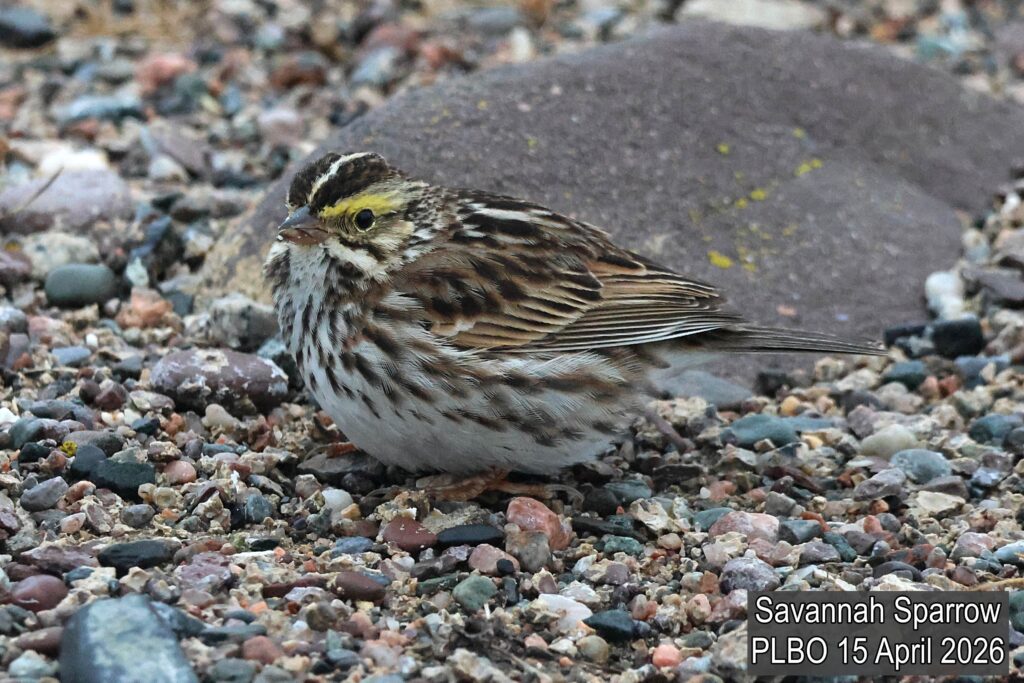
Song Sparrows, two Savannah Sparrows and a fat rodent consumed seed in front of the building. The resident harriers will be looking for that little fellow.
The woods and fields were not explored.
The NB Wildlife Trust Fund and NB Environmental Trust Fund help support this project.
Todd Watts
Official Counter
Point Lepreau Bird Observatory
Saint John Naturalists’ Club
Afternoon Report
From Noon to 4:00 PM
Weather: Fog .Beaufort ( Bf) 3,Winds NE, 7 Deg Celsius and seas calm. Visibility 2 km (3pm 500m) . Tide reversing .
Observers: Paul Martin, Kim McCormick, John & Nancy Middleton
During Counts:
Eastbound:5099 birds
Westbound:29 Birds
Rest Period Counts
Eastbound 1414 birds
Westbound 43 Birds
Total birds seen East 6513 West 74
Species observed over the bay:
Common Eider, Black Scoter, Surf Scoter, White-winged Scoter, Red-breasted Merganser, Long-tailed Duck,Common Loon, Red Throated Loon Black Guillemot, Ring-billed Gull, American Herring Gull, Brant Geese, Double-crested Cormorant, Great Cormorant, American Black Duck, Black Guillemot,Razorbills, Iceland Gull, Harlequin Duck, and Purple Sandpipers.
Parked; Harlequin (3), Common Eider (7), Black Scoter (106), Black Guillemot (3), Razorbills (5), Common Loon (2), Double-crested Cormorant (2), Dark-winged Scoters (200) and Purple Sandpiper (25)
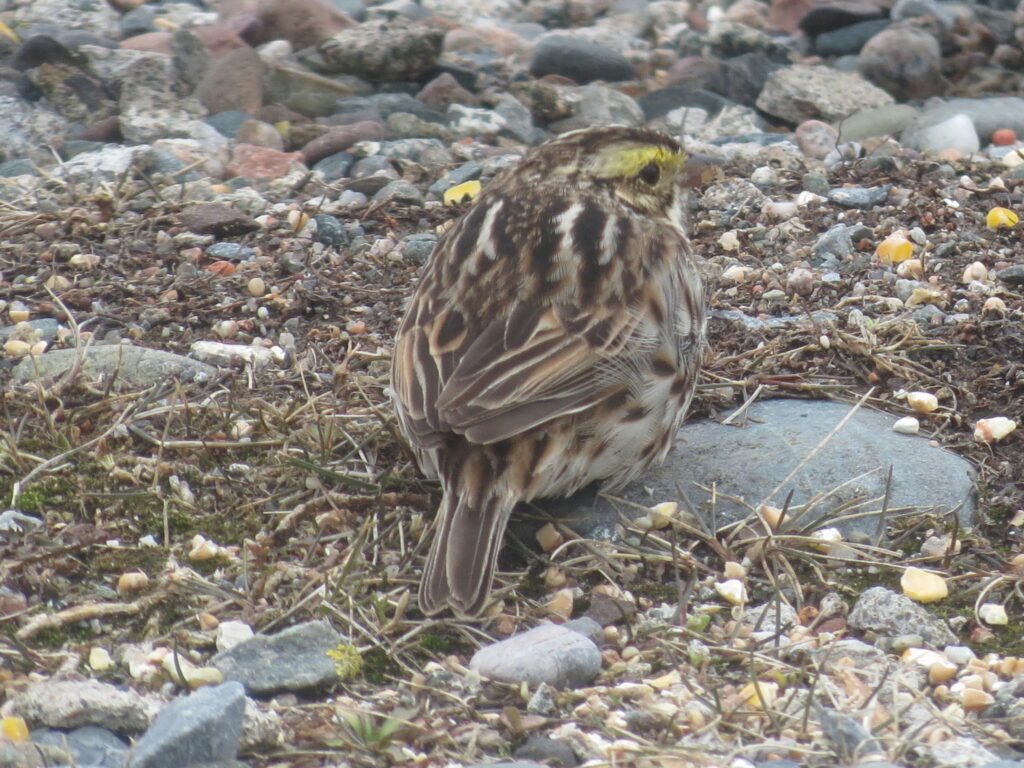
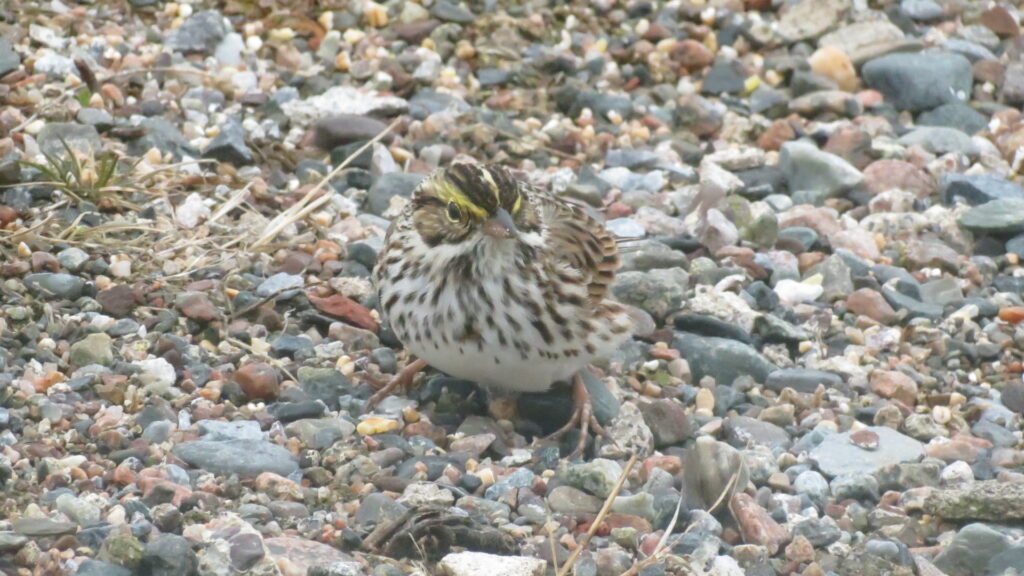
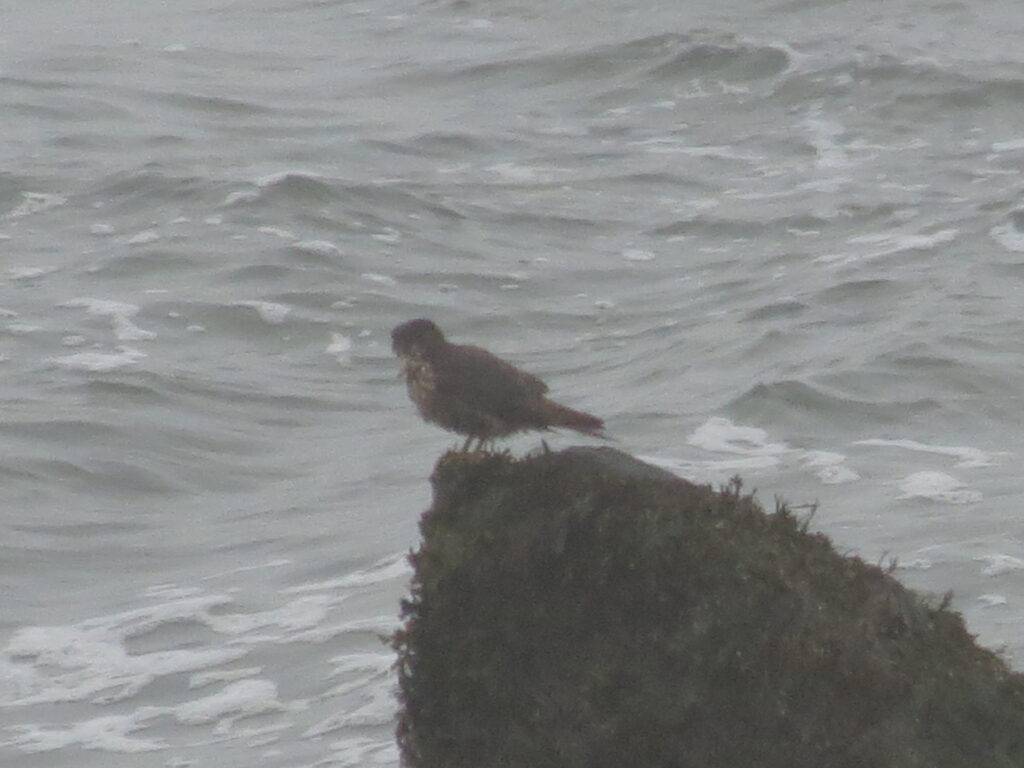
3 Song Sparrow, 2 Savanah Sparrows, 1 Dark-eyed Junco, 3 crows , 1 Merlin, 1 Osprey, and a seal were seen.
In the woods: 5 American Robins, 6 Song Sparrows, 1 Northern Flicker, and 6 White-tailed Deer.
The movement was non-stop, even as the fog began to close in , the birds just kept coming.
This project is supported with funds provided through the Canadian Wildlife
Service, the NB Wildlife Trust Fund and the NB Environmental Trust Fund
Paul Martin
Official Counter
Point Lepreau Bird Observatory